

A failing power steering pump can make driving feel like a chore – but fear not, there are solutions at hand. No more struggling to turn the wheel or hearing strange noises when you steer. With a properly functioning power steering pump, your driving experience can be smooth and effortless. Don’t let this vital component go unnoticed; let’s dive into the world of power steering pumps and discover how they keep your vehicle on the move with ease.

Exploring the Wonders of a Power Steering Pump
What is a Power Steering Pump?
Imagine driving a car with ease, effortlessly turning the steering wheel with just one hand. This convenience is made possible by a crucial component called the power steering pump. The power steering pump is like the heart of the power steering system in a vehicle, providing the hydraulic pressure needed to assist in steering.
How Does a Power Steering Pump Work?
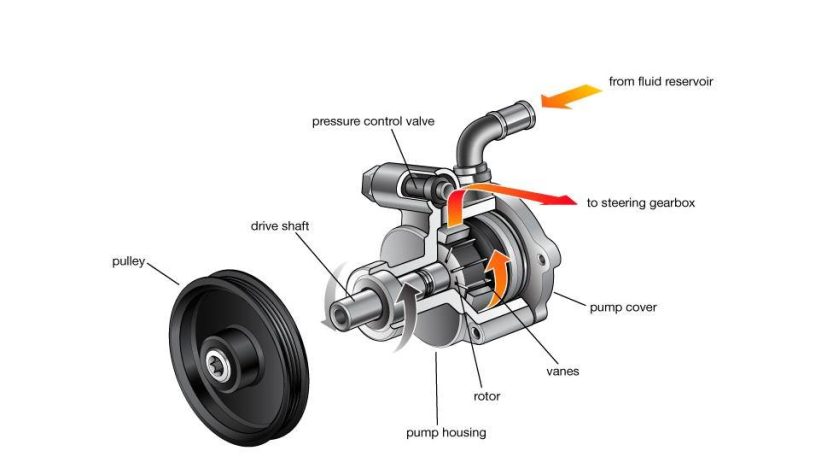
At the heart of the power steering pump is a rotor that spins when the engine is running. This rotation creates a pumping action that pressurizes the power steering fluid, usually hydraulic fluid or power steering fluid. This pressurized fluid is then sent through hoses to the steering mechanism, where it helps to reduce the effort needed to turn the steering wheel.
Components of a Power Steering Pump
The power steering pump consists of several key components that work together to make steering easier for drivers. These components include the rotor, vanes, pressure relief valve, and reservoir. Each part plays a crucial role in ensuring the smooth operation of the power steering system.
Types of Power Steering Pumps
There are two main types of power steering pumps: hydraulic and electric. Hydraulic power steering pumps are more common in older vehicles and use hydraulic pressure to assist steering. On the other hand, electric power steering pumps are becoming increasingly popular in modern cars, as they are more efficient and responsive.
Signs of a Failing Power Steering Pump
Like all components in a vehicle, the power steering pump can develop issues over time. It is important to be aware of the signs of a failing power steering pump to address any problems promptly. Some common signs of a failing power steering pump include whining or squealing noises when turning the steering wheel, stiff or jerky steering, and fluid leaks under the car.
Importance of Regular Maintenance
Regular maintenance of the power steering pump is essential to ensure its smooth operation and longevity. This includes checking the power steering fluid levels, inspecting for leaks, and following the manufacturer’s recommendations for servicing. By taking care of your power steering pump, you can avoid costly repairs and ensure a pleasant driving experience.
Replacing a Power Steering Pump
If your power steering pump is beyond repair, it may be necessary to replace it. While this task is best left to professionals, understanding the process can help you make informed decisions. Replacing a power steering pump involves draining the old fluid, removing the old pump, installing a new pump, and bleeding the system to remove any air bubbles.
DIY vs. Professional Repairs
When it comes to replacing a power steering pump, you may be torn between DIY repairs and seeking professional help. While some car enthusiasts may attempt DIY repairs, it is important to remember that the power steering system is complex and requires precision. Professional mechanics have the expertise and tools to ensure a proper replacement, reducing the risk of further damage.
Conclusion
In conclusion, the power steering pump is a vital component of a vehicle’s power steering system, providing the hydraulic pressure needed to make steering easier for drivers. By understanding how the power steering pump works, recognizing signs of failure, and prioritizing regular maintenance, you can ensure smooth and effortless steering in your vehicle. Whether you drive an older car with a hydraulic power steering pump or a modern vehicle with an electric power steering pump, taking care of this essential component will enhance your driving experience and safety on the road.
How to Fix Power Steering in ANY Car! (Try This BEFORE Replacing Parts!)
Frequently Asked Questions
How does a power steering pump work?
The power steering pump, driven by the engine, pressurizes the power steering fluid which assists in turning the steering wheel more easily, especially at lower speeds. The pump creates hydraulic pressure that helps in the movement of the steering system.
What are the common signs of a failing power steering pump?
Common signs of a failing power steering pump include difficulty steering, whining noises when turning the wheel, stiff or jerky steering, fluid leaks under the car, or a noticeable decrease in the power assist provided by the steering system.
How often should a power steering pump be replaced?
The lifespan of a power steering pump can vary depending on usage and maintenance. Generally, it is recommended to inspect the power steering system during routine maintenance checks and replace the pump if any issues are detected. A typical power steering pump can last anywhere from 70,000 to 100,000 miles under normal driving conditions.
Final Thoughts
In conclusion, a well-functioning power steering pump is crucial for a smooth driving experience. Regular maintenance and timely repairs can extend the lifespan of your power steering pump. If you notice any signs of a failing pump, such as difficulty turning the wheel or strange noises, it’s important to address the issue promptly. Keeping your power steering pump in good condition will ensure safe and effortless steering on the road.