

Behind every bold vision stands a team capable of turning ambition into measurable results. Visionary leadership may provide the spark, but execution depends on how effectively leaders unlock the strengths of their people. Gregory Hold, CEO and founder of Hold Brothers Capital, recognizes that no matter how innovative a strategy may be, it cannot succeed unless individual talents are identified, aligned and mobilized toward common goals.
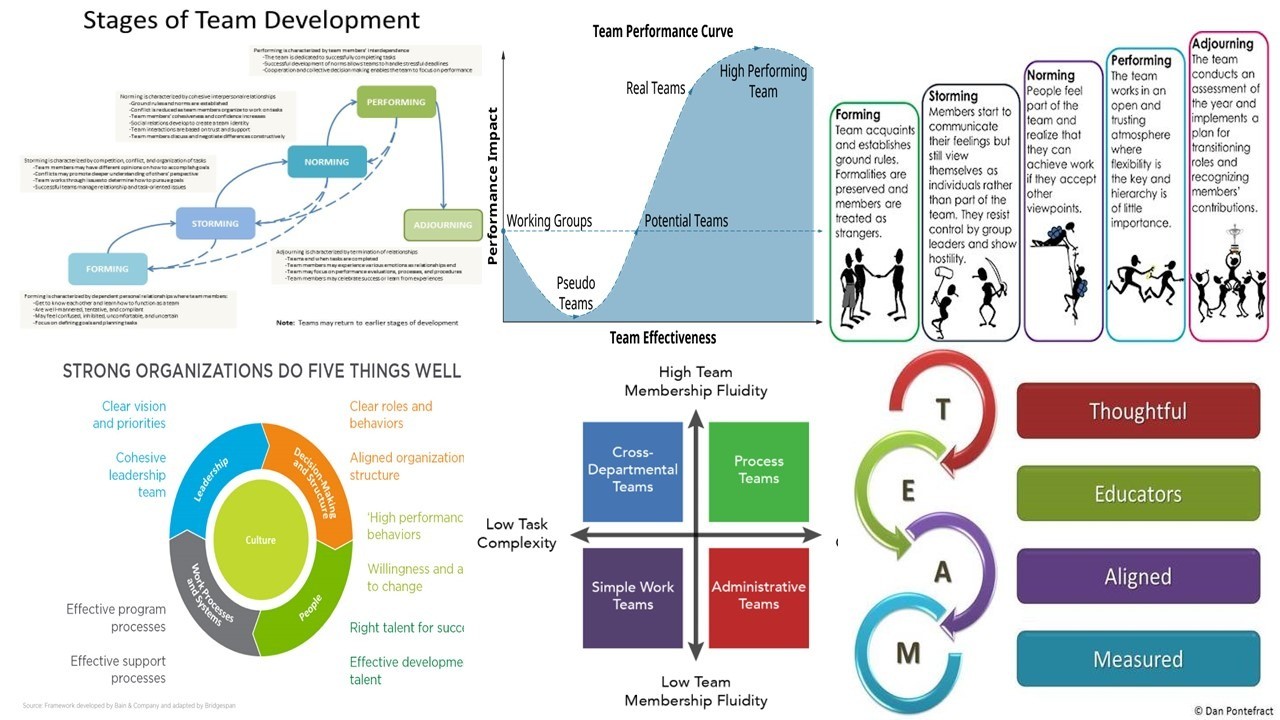
This principle has only grown more critical in today’s volatile environment. Markets change quickly, innovative technologies disrupt industries and uncertainty has become the norm. In such conditions, organizations cannot rely solely on vision at the top. They need high-performing teams that translate ambition into consistent, reliable action. The anatomy of a high-performing team is not about assembling the brightest individuals in the room but about establishing that their unique skills complement one another in pursuit of shared objectives. Leaders who succeed at this understand that team design is a deliberate act, requiring both strategic foresight and human insight. By aligning strengths with strategy, they create not only efficiency but also the trust and resilience needed to pursue visionary outcomes.
Seeing People as Strategic Assets
High-performing teams are built on the recognition that people are not interchangeable. Every member brings distinct capabilities, experiences and perspectives. Leaders who treat their teams as strategic assets rather than anonymous resources gain an advantage. It requires looking beyond résumés and job titles to utterly understand what individuals excel at and how those strengths can best serve organizational goals.
Understanding individuals’ strengths allows leaders to position people where they can deliver the most significant impact. A strategist who excels at big-picture thinking may thrive in shaping direction, while an executor skilled in detail assures that plans are carried through. A communicator may bridge gaps across departments, while a problem-solver may thrive in moments of crisis. By respecting these distinctions, leaders align strengths with the demands of the strategy, making execution both smoother and more effective.
Matching Skills to Visionary Goals
Once leaders recognize individual strengths, the challenge is aligning them with ambitious goals. Visionary outcomes often require diverse skill sets, such as creativity, analytical thinking, operational rigor and adaptive resilience. No single person embodies all of these, which makes thoughtful alignment essential.
Consider industries undergoing rapid transformation, such as healthcare. A company seeking to lead digital innovation may require technical expertise in data science, a legal team that understands changing regulations and marketing professionals capable of translating complex solutions into compelling stories. By mapping these requirements against existing strengths, leaders create teams designed not only to meet challenges but to anticipate them.
This alignment also prevents wasted effort. When strengths are mismatched with tasks, employees struggle and organizations stall. When skills are paired effectively with visionary goals, however, teams move forward with clarity and purpose.
Building Resilience Through Diversity
Resilience is another critical component of high-performing teams. Homogeneity may seem efficient in the short term, but it often leaves organizations vulnerable when circumstances change. Diversity of skills, backgrounds and perspectives strengthens teams by allowing them to approach problems from multiple angles.
Gregory Hold of Hold Brothers Capital notes, “Skills can get you through a typical day. But when things get uncertain, the steady, adaptable, committed and loyal people shine.” Leaders who value diversity do more than tick boxes because they actively seek a blend of experiences that prepare their organizations for volatility. By aligning diverse strengths with strategic needs, leaders see to it that teams remain flexible, creative and capable of navigating disruption.
Continuous Development as a Strategic Imperative
High-performing teams do not emerge fully formed. They develop through continuous development. Leaders who prioritize training, mentorship and learning opportunities invest in both individual growth and team performance. Development establishes that skills remain aligned with changing strategies and emerging challenges.
It is particularly vital in a world where technology and industries shift quickly. Cross-training equips employees to handle multiple roles, mentorship builds institutional knowledge and ongoing education future-proofs the team against emerging disruptions. Providing development opportunities also signals respect.
When employees see that their leaders are committed to their growth, engagement rises. Development becomes a reinforcing cycle: as individuals improve, the team strengthens and as the team strengthens, the organization moves closer to achieving its visionary goals.
Measuring Performance Without Undermining Collaboration
Metrics are essential for keeping teams aligned with strategy, but measurement must be handled carefully. Overemphasis on individual performance can undermine collaboration, while ignoring accountability can weaken focus. High-performing teams balance both.
Leaders set shared goals while also tracking individual contributions. This dual approach warrants that collaboration does not mask underperformance and that accountability does not discourage teamwork. By creating transparent and fair systems, leaders reinforce the idea that success is measured both by how individuals perform and by how effectively the team works together.
Measurement also creates a culture of reflection. Teams that regularly review performance are better able to adapt to changing strategies and identify new opportunities. Metrics become less about judgment and more about learning, strengthening the link between individual strengths and organizational goals.
Teams as Engines of Vision
Visionary outcomes are never the product of one person alone. They are the result of teams whose strengths have been carefully aligned with strategy. Leaders who design such teams recognize that high performance is not accidental, but the result of intentional choices, trust and ongoing development.
Gregory Hold of Hold Brothers Capital points to the importance of balancing bold vision with the everyday alignment of people’s strengths. By encouraging collaboration and resilience, leaders turn individual skills into shared achievements.
In the end, the anatomy of a high-performing team is not about perfection but about integration. When strengths and strategy align, teams become more than the sum of their parts. They become engines of vision, carrying ambitious ideas from inspiration to impact with consistency and resilience. Leaders who embrace this truth demonstrate that execution is not just about systems and processes but about harnessing the full potential of people.