

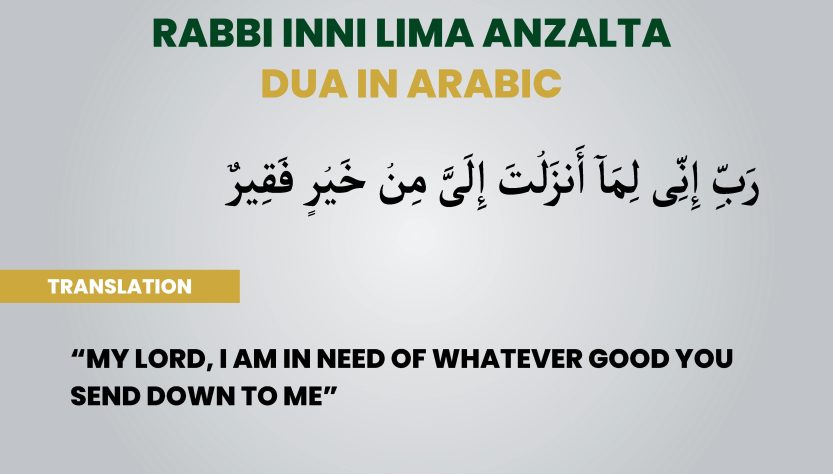
“Rabbi inni lima anzalta.” These powerful words hold within them a plea for guidance, a call for understanding. For those seeking answers, reassurance, and solace, the phrase encapsulates a deep yearning for divine wisdom. It serves as a reminder of the inherent human tendency to seek higher knowledge and spiritual enlightenment. In times of uncertainty and doubt, turning to these words can offer a sense of peace and connection to something greater than ourselves. Join us on a journey to explore the profound meaning behind “rabbi inni lima anzalta,” and discover the wisdom it holds for us all.

Rabbi Innī Limā Anzalta: Understanding the Heartfelt Prayer
Introduction to Rabbi Innī Limā Anzalta
Rabbi Innī Limā Anzalta is a powerful supplication that holds a special place in the hearts of many Muslims around the world. This heartfelt prayer is an expression of humility, gratitude, and longing for divine guidance. The words “Rabbi Innī Limā Anzalta” translate to “My Lord, indeed I am, for whatever good You would send down to me, in need.” In this blog post, we will explore the significance of this prayer, its origins, and its impact on the lives of those who recite it with sincerity.
The Significance of Rabbi Innī Limā Anzalta
Reciting Rabbi Innī Limā Anzalta is a way for believers to acknowledge their dependence on Allah and to seek His blessings and guidance in their lives. The prayer reflects a deep sense of trust in the divine plan and a recognition of one’s own limitations. By uttering these words with sincerity and faith, Muslims express their willingness to accept whatever comes their way, knowing that it is ultimately for their own good.
Origins of Rabbi Innī Limā Anzalta
The phrase “Rabbi Innī Limā Anzalta” is derived from a verse in the Quran, in Surah Al-Qasas (Chapter 28, Verse 24), where Prophet Musa (Moses) says: “My Lord, indeed I am, for whatever good You would send down to me, in need.” This verse encapsulates the essence of humility and reliance on Allah, which are central themes in Islamic teachings.
The Impact of Rabbi Innī Limā Anzalta on Believers
For many Muslims, reciting Rabbi Innī Limā Anzalta is a source of comfort and strength during challenging times. The prayer serves as a reminder of the need to trust in Allah’s wisdom and to remain patient in the face of adversity. By surrendering their desires and fears to the will of Allah, believers find solace and reassurance in the knowledge that He is in control of all things.
How to Incorporate Rabbi Innī Limā Anzalta into Your Daily Routine
Adding Rabbi Innī Limā Anzalta to your daily prayers can have a transformative effect on your spiritual well-being. Whether you recite it in the morning, before going to bed, or throughout the day, this prayer can serve as a constant reminder of your reliance on Allah and your gratitude for His blessings.
Steps to Recite Rabbi Innī Limā Anzalta
To recite Rabbi Innī Limā Anzalta, follow these simple steps:
1. Begin by focusing your intention on seeking Allah’s guidance and blessings.
2. Recite the phrase “Rabbi Innī Limā Anzalta” with sincerity and devotion.
3. Reflect on the meaning of the prayer and its implications for your life.
4. Conclude by expressing gratitude for the goodness that Allah has bestowed upon you.
The Benefits of Consistent Recitation
Consistently reciting Rabbi Innī Limā Anzalta can help cultivate a sense of peace and contentment in your heart. By acknowledging your need for Allah’s help and guidance, you open yourself up to receiving His mercy and blessings. This practice can also deepen your faith and strengthen your connection to the divine.
In conclusion, Rabbi Innī Limā Anzalta is a profound prayer that encapsulates the essence of humility, gratitude, and trust in Allah. By incorporating this supplication into your daily routine, you can experience a renewed sense of faith and a deeper connection to the divine. Remember that Allah is always near, ready to respond to your prayers with love and mercy. So, embrace the beauty of Rabbi Innī Limā Anzalta and let its words resonate in your heart, guiding you on your spiritual journey.
Rabbi inni lima anzalta ilayya min khairin faqeer 100 times
Frequently Asked Questions
What is the significance of the phrase “rabbi inni lima anzalta” in Islamic tradition?
In Islamic tradition, “rabbi inni lima anzalta” is an Arabic phrase that translates to “My Lord, indeed I am, for whatever good You would send down to me, in need.” It signifies humility, gratitude, and complete reliance on Allah’s guidance and blessings.
How is the phrase “rabbi inni lima anzalta” connected to Prophet Musa (Moses) in the Quran?
In the Quran, Prophet Musa (Moses) used the phrase “rabbi inni lima anzalta” when he sought Allah’s help and guidance during his journey and challenges. It reflects his acknowledgment of his dependence on Allah’s wisdom and assistance in fulfilling his mission.
Can individuals use “rabbi inni lima anzalta” in their prayers and supplications?
Yes, individuals can incorporate “rabbi inni lima anzalta” in their prayers and supplications to express their trust in Allah’s divine plan and to seek His help and blessings in times of need. It serves as a powerful reminder of one’s dependence on Allah and reaffirms faith in His mercy and guidance.
Final Thoughts
In conclusion, the phrase “rabbi inni lima anzalta” conveys a powerful plea for seeking guidance and understanding. It highlights the humility and reverence one should have towards gaining knowledge. By invoking these words, we acknowledge our own limitations and turn to a higher power for enlightenment and wisdom. Embracing this phrase reminds us of the importance of continuous learning and spiritual growth. Let us always approach knowledge with the same humility and seeking spirit embodied in “rabbi inni lima anzalta”.