

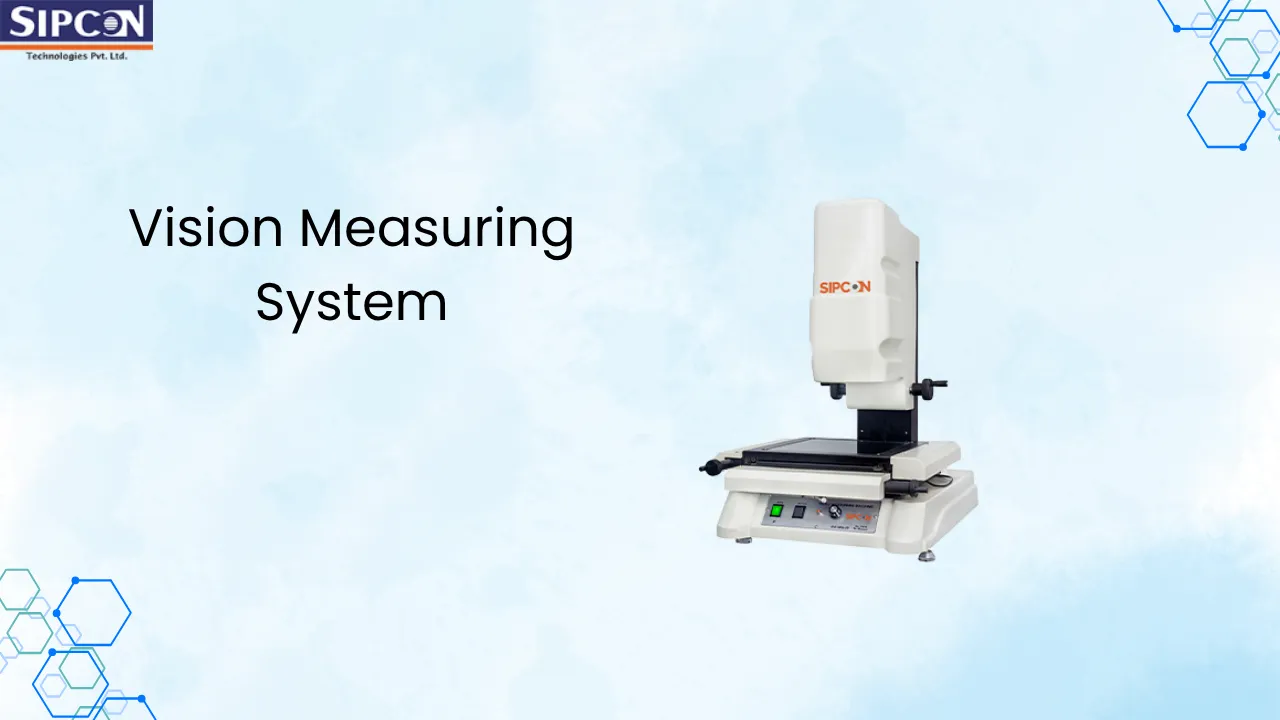
Maintaining product quality is a basic factor in modern manufacturing. Vision Inspection System plays a leading role in detecting defects quickly and enhancing reliability by minimizing manual errors. The customer satisfaction, overall business performance and brand reputation are affected greatly even with a tiny defect.
Companies cannot afford to compromise on quality because of higher customer expectations in an increasingly competitive era. This has led industries to shift towards automated inspection technologies. Vision inspection system is a powerful tool that offers speed, accuracy and consistency that helps to minimize production losses and improve efficiency.
Sipcon Instruments is contributing by offering reliable solutions that make quality control more effective. Continue reading to learn more about how vision inspection systems improve accuracy and quality control.
The Working Process of Vision Inspection Systems
Understand how these systems enhance defect efficiency and detection. This automated tool checks products during production. It captures images and compares them with predefined standards to identify defects and is most commonly used in manufacturing, electronics and packaging. They guarantee that only quality-approved products are released.
The working process of a vision inspection system is very simple. It works by combining cameras, software and lighting. The camera captures images of the product while lighting improves image clarity. The software then analyses the images and detects any defects. Solutions from Sipcon Instrument are designed to perform these tasks with speed and high precision.
Accuracy Achieved in Vision Inspection Systems
High Precision
Clear images of products are captured with vision inspection systems that use high-resolution cameras and proper lighting. This helps in identifying even minor imperfections that are hard to detect manually. The clarity of images plays a major role in improving detection accuracy. These systems can consistently deliver precise inspection results across different production lines with the right setup.
Role of Software and Algorithms
The accuracy of these systems largely depends on the software used for image analysis. Advanced algorithms compare captured images based on set standards to detect differences. Some systems also use AI and machine learning to improve performance in the long run. Ensure you choose a system designed with smart software that reduces errors and enhances detection capability.
Consistency Compared to Manual Inspection
Consistency is one of the greatest advantages of vision inspection systems. Machines do not have the tendency to get distracted or tired like humans. The same level of accuracy is maintained with repeated inspection. The chances of missed defects are reduced and ensures uniform quality throughout the production process.
Accuracy Levels in Real Applications
Vision inspection systems can achieve accuracy levels higher than those of manual inspection methods. The accuracy can be much greater for simple inspections. Complex tasks may depend on setup and system quality. Therefore, only a reliable system should be trusted that has experience, improved quality control and better accuracy.
Factors Influencing Accuracy
Vision inspection systems are affected by various factors that include lighting, system calibration and camera quality. The performance can be impacted by environmental conditions like vibration and dust. Proper installation and regular maintenance are essential to deliver consistent outcomes. A well-optimized system significantly improves the ability to detect defects.
Continuous Adaptability and Improvement
Vision inspection systems are designed to improve gradually. They can adapt to new patterns and variations in products with the help of machine learning which makes them more reliable for lasting performance. Continuous updates and proper training maintain high accuracy and help the system adjust to new production demands.
Integration with Production Systems
Vision inspection systems can be easily integrated into existing production lines for instant inspection which allows defects to be detected instantly. This reduces rework and waste while maintaining a smooth workflow without slowing down operations. Choose companies that have systems that fit well into automated environments which improve accuracy and efficiency.
Reducing Incorrect Defect Detection
The false positives are minimized with advanced vision systems where good products are incorrectly marked as defective. The system can make accurate decisions with refined algorithms and correct calibration setup. This saves time and reduces unnecessary product rejection. A well-configured system ensures reliable inspection results and helps maintain production efficiency.
Conclusion
In conclusion, a vision inspection system is one of the most essential tools in modern manufacturing. It offers a high level of accuracy in defect detection. It has the ability to achieve a higher level of accuracy and precision in many applications. Their performance is based on proper system setup, regular maintenance and high-quality components.
Always choose a reliable brand from trusted providers that ensures consistent and dependable results. Invest in the best vision inspection system to build trust with your customers and maintain product excellence. For applications that require precise measurements, a vision measuring system can also support accurate results.
Looking for a solution you can rely on? Sipcon instrument is the right choice for your quality control needs!