

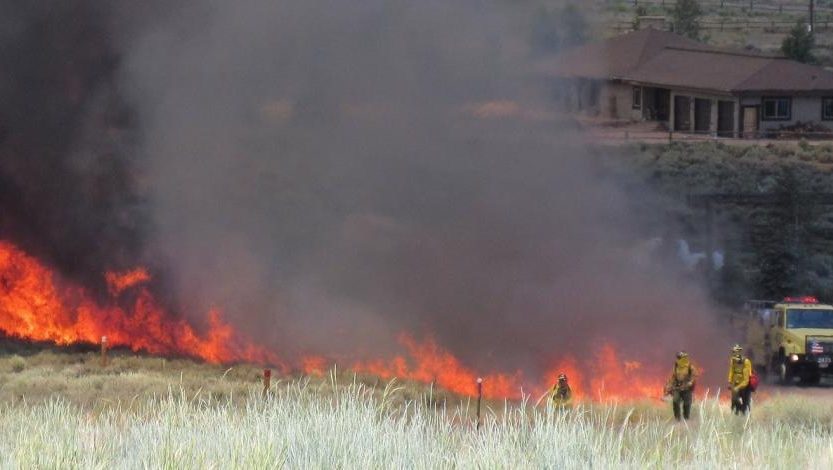
Why might a property require additional fire monitoring? Fire risks can increase when building systems are being repaired, construction work is underway, protective equipment is temporarily unavailable, or unusual site conditions exist. In these circumstances, Fire Watch Companies Near Me can provide trained personnel who monitor designated areas and help identify warning signs before they develop into larger emergencies. The service supports an active approach to observing conditions when additional fire awareness is necessary.
What types of risks can fire watch personnel identify? Personnel may watch for smoke, flames, unusual heat, burning odors, sparks, combustible materials near ignition sources, blocked exits, and other potentially unsafe conditions. They can also remain attentive to activities that change throughout a shift. Early recognition is important because a developing fire may initially produce limited visible signs that require immediate reporting.
How can fire watch support properties during maintenance? Maintenance work may temporarily affect alarms, sprinkler systems, electrical equipment, ventilation, or other building components. While qualified technicians handle repairs, additional monitoring may be required to observe the surrounding environment. Fire watch personnel can patrol affected areas, record conditions, and communicate concerns until the normal protective arrangement is restored.
What role does fire watch play on active job sites? Construction projects can involve frequent changes to building layouts and work activities. Cutting, welding, grinding, electrical installation, equipment operation, and material storage may create changing fire-related conditions. A fire watch professional can monitor assigned areas while coordinating observations with site supervisors and following the property’s established safety procedures.
Why is hot work monitoring important? Hot work can generate sparks and substantial heat that may ignite nearby materials. A fire watch assignment can provide dedicated observation during the activity and, when required, after work has stopped. Personnel can watch for sparks entering hidden spaces, heat affecting nearby materials, smoke, or other warning signs. Any concern can then be communicated through the established response process.
How does fire watch support emergency preparedness? A trained observer can become an important part of a site’s emergency communication structure. Personnel should understand emergency contacts, evacuation routes, alarm procedures, and assigned responsibilities before monitoring begins. If a dangerous condition develops, they can follow the established plan and provide information to the appropriate parties.
Are vacant buildings able to benefit from fire watch monitoring? Vacant or lightly occupied properties may have fewer people available to notice developing hazards. During certain maintenance periods, system outages, or other elevated-risk situations, scheduled observation can provide an additional layer of awareness. Monitoring procedures can be adapted to the building’s size, accessibility, and known risk areas.
Why does site-specific planning matter? Every property has different characteristics. A warehouse may require attention to storage and loading zones, while an office building may require monitoring of mechanical spaces and corridors. A construction project may have changing work areas and temporary equipment. A tailored fire watch plan helps identify priority locations and establishes clear instructions for patrols, communication, and documentation.
What information should be recorded during monitoring? Records can document patrol activity, observed conditions, reported hazards, notifications, and actions taken. Accurate logs create a useful history of the monitoring period and help property representatives understand whether conditions changed during the assignment. Consistent documentation also supports better communication among managers, contractors, maintenance personnel, and safety teams.
How should property managers coordinate with fire watch personnel? Clear communication should begin before coverage starts. Managers can provide site maps, identify restricted or high-risk locations, explain ongoing work, share emergency contacts, and describe reporting expectations. Any significant change should be communicated to the assigned personnel so monitoring can remain aligned with current conditions.
What should businesses understand about professional fire watch services? Fire watch is a focused safety function built around observation, detection, communication, and documentation. It does not replace permanent fire protection systems or emergency responders. Instead, it provides additional human oversight when conditions create a need for closer monitoring. With clear planning and consistent procedures, professional fire watch coverage can help properties manage temporary or elevated fire risks in a more organized manner.
At a Glance
- Fire risks can increase during repairs, construction, or when protective equipment is unavailable, necessitating additional fire monitoring.
- Fire watch personnel are trained to identify warning signs such as smoke, flames, and blocked exits to prevent larger emergencies.
- Regular monitoring by fire watch personnel during maintenance ensures that surrounding environments are safe and that any concerns are promptly communicated.
- Dedicated observation during hot work can prevent ignition of nearby materials by monitoring for sparks and unusual heat.
- Tailored fire watch plans are essential as different properties have unique characteristics, requiring specific monitoring focuses and protocols.
- Clear communication between property managers and fire watch personnel is crucial to ensure monitoring aligns with current site conditions and safety requirements.